

Legal and Operational Guide to Organizing Charity Poker Tournaments and Fundraisers
5 min read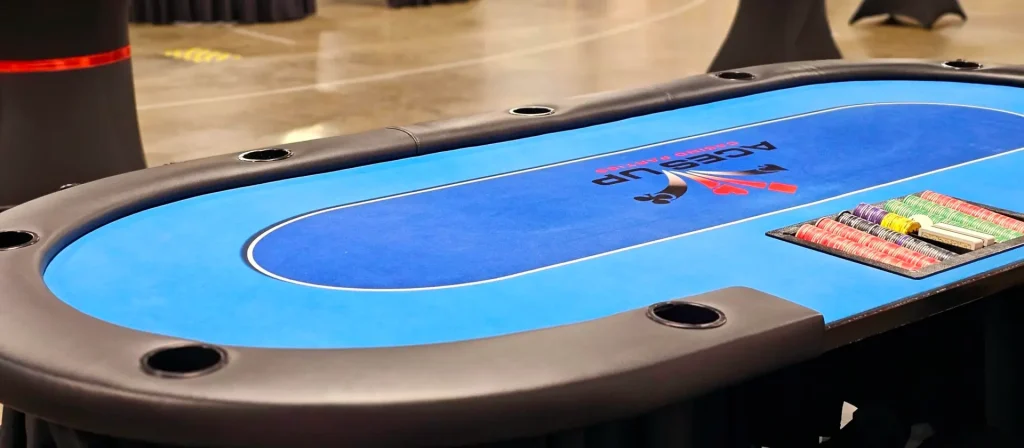
Let’s be honest—the idea of hosting a charity poker night sounds fantastic. Good company, a bit of friendly competition, all for a worthy cause. It feels like a surefire winner. But here’s the deal: the path from that great idea to a successful, legally sound event is a bit like a poker hand itself. It requires knowing the rules, reading the table, and playing your cards right.
This guide walks you through that process. We’ll tackle the tricky legal landscape first—because, well, you have to—and then dive into the operational nuts and bolts that make an event memorable and profitable. Ready to ante up?
The Legal Landscape: Your First and Most Critical Bet
You can’t just set up tables and start dealing. Gambling laws are a complex patchwork, and even for charity, regulators don’t mess around. Navigating this is your most important job.
Understanding “Illegal Gambling” vs. “Charitable Gaming”
In most places, an activity is considered illegal gambling if it involves three elements: prize, chance, and consideration (that’s the entry fee or buy-in). A charity poker event ticks all three boxes. So, how is it legal? Through specific charitable gaming exemptions.
These exemptions are your golden ticket. But they come with strings—lots of them. And they vary wildly by state, county, and even city. Seriously, what flies in Nevada might be a non-starter in Nebraska.
Common Legal Requirements You Must Check
Think of these as the non-negotiable rules of the house. Ignoring them is a fast track to shutting down your event, or worse.
- Licensing & Permits: Most jurisdictions require a one-time or annual charitable gaming license. Your nonprofit status alone isn’t enough. The application process can take weeks, so start early.
- Eligible Organizations: Often, only IRS-recognized 501(c)(3) organizations can apply. And sometimes, there’s a limit on how many events you can hold per year.
- Prize Limits: Many states cap the total value of prizes you can award. This keeps the event firmly in “fun fundraiser” territory and out of “high-stakes tournament” land.
- Mandatory Payout Structures: Some areas dictate what percentage of the buy-in must go to the charity versus the prize pool. Know these ratios cold.
- Volunteer-Only Dealers: A huge one. To keep it charitable, you often cannot use professional dealers from a casino. Volunteers must run the game. This… changes the operational dynamic, for sure.
Your first, second, and third step? Contact your state’s attorney general’s office and your local city clerk. They’ll point you to the exact statutes and application forms. Don’t rely on blog posts (not even this one!) for your final legal advice.
Building the Framework: Operations That Actually Work
Okay, with the legal groundwork (hopefully) laid, let’s build the event. This is where your vision comes to life and where most of the sweat equity goes.
Budgeting & Financial Transparency
Run your event like a business. Create a detailed budget that accounts for every cost: venue, tables/chips, food & beverage, permits, marketing, prizes, and insurance. A common pitfall is underestimating soft costs.
Then, decide on your revenue streams. Usually, it’s a mix of:
- Buy-ins: The main source. A portion goes to the prize pool (if required), a portion to the charity.
- Re-buys or Add-ons: A great way to boost fundraising mid-tournament.
- Spectator Fees: For friends who just want to watch and cheer.
- Sponsorships: Local businesses can sponsor tables, drinks, or the prize pool. This is huge for covering overhead.
- Auction/Raffle: A non-gaming element that adds another layer of fundraising.
Be transparent with attendees. Clearly state on tickets: “Of the $100 buy-in, $70 is a tax-deductible donation to [Charity Name].” People appreciate knowing where their money goes.
Venue, Supplies, and That “Vibe”
Choose a venue that fits your crowd and budget. A community hall, restaurant private room, or even a generous donor’s home. Ensure it has adequate space, power, and parking.
For supplies, you can rent professional-quality poker tables and chips. It makes a difference in feel. But if the budget is tight, a dozen folding tables and basic chips work—just set the expectation. You’ll need a clear set of tournament rules (blinds schedule, re-buy rules) printed and available.
And vibe? It’s everything. Good music at a low volume, solid lighting, engaging volunteers. It should feel like an event, not a board meeting.
The Human Element: Volunteers and Dealing
This is often the make-or-break. Recruit more volunteers than you think you need. Train them on the basics: how to deal (if allowed), how to manage chips, how to answer common questions. Run a quick training session. A confused, stressed volunteer at a table kills the mood faster than a bad beat.
Have a clear command structure. A Tournament Director (TD) is the ultimate referee. Their word is final on rules disputes. This prevents small issues from spiraling.
Avoiding Common Pitfalls: Lessons from the Felt
Let’s talk about where events often go sideways. It’s rarely the big legal thing—it’s the operational snags.
| Pitfall | Why It Happens | The Fix |
| Event runs way too long | No clear blinds schedule or end time. | Use a tournament clock app. Set a hard stop and structure blinds to accelerate play. |
| Cash handling chaos | Too few people trained to handle registrations. | Use pre-registration online. Have a dedicated, secure check-in station with multiple volunteers. |
| Prize confusion | Unclear communication about the prize pool. | Display the prize structure prominently. Announce how the pool is split (e.g., top 10%). |
| Rule arguments | Volunteers aren’t trained on basic poker rules. | Simple rule sheet at each table. Empower your TD to make quick, fair calls. |
One more thing—insurance. Talk to your insurer about a one-day event liability policy. It’s a small cost for big peace of mind.
The Final Hand: Making It Meaningful
At the end of the night, after the final river card is dealt and the last chip is counted, remember the why. This isn’t a casino. It’s a community gathering with purpose.
Weave your mission into the fabric of the event. Have a beneficiary speak briefly during a break. Show a short video. Let people see the direct impact of their buy-in. That connection—that moment where fun transforms into tangible good—is the real jackpot. It’s what turns a first-time attendee into a lifelong supporter.
So take a deep breath. Do the legal homework. Plan the details. Train your team. Then, trust the process and deal the cards. The pot you’re building is worth so much more than money.