The Intersection of Baccarat and Modern Digital Art Collections: A New Game of Chance
5 min read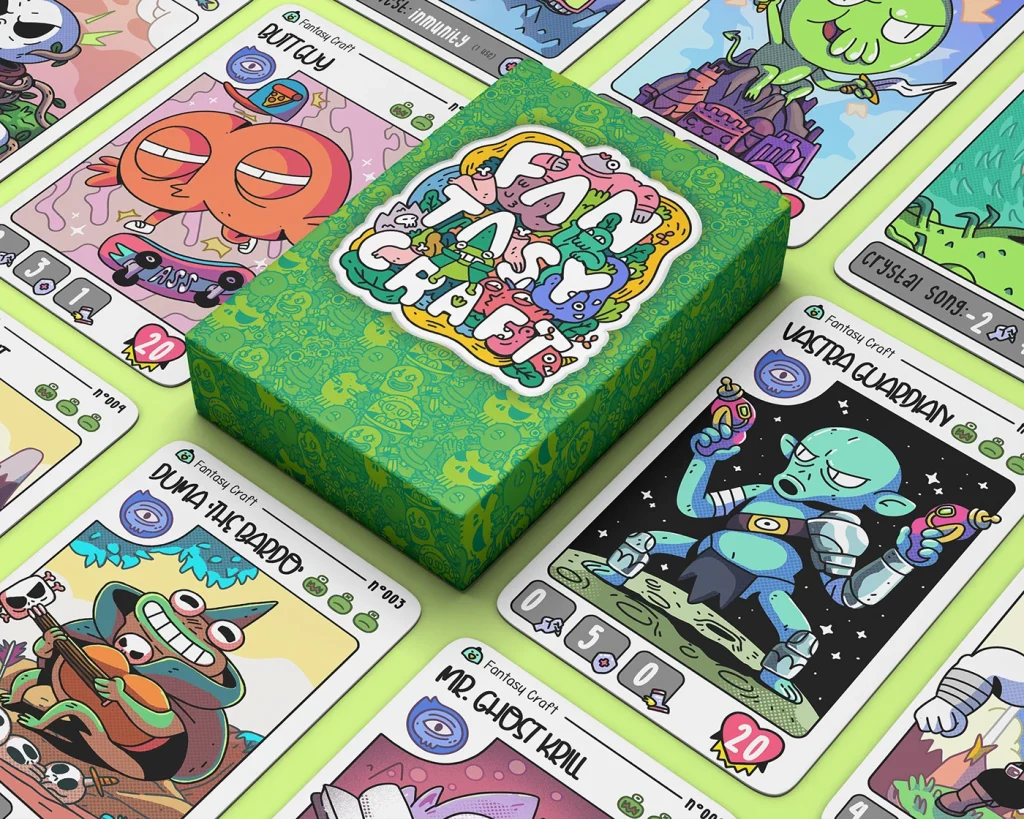
Honestly, you wouldn’t think a centuries-old card game and cutting-edge digital art have much in common. One lives in the hushed, velvet-lined salons of high-stakes casinos. The other thrives on the glowing, infinite scroll of the internet. But here’s the deal: they’re converging in the most fascinating ways. The worlds of Baccarat and modern digital art collections are starting to speak the same language—a dialect of risk, rarity, and radical value.
High-Stakes Play and the Psychology of Value
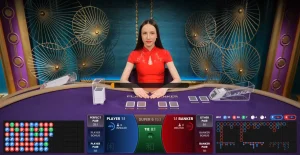
Let’s dive in. At its core, Baccarat is a game of elegant simplicity. Player or Banker. A hand totals nine, or it doesn’t. The rules are almost…minimalist. Yet, its aura is immense. It’s associated with James Bond, exclusivity, and, frankly, staggering sums of money changing hands on the turn of a card. The value isn’t in the physical cards; it’s in the potential they represent.
Now, look at a digital art NFT. It’s a string of code on a blockchain. You can right-click and save the image. So where’s the value? Well, it’s in the provable ownership, the scarcity programmed into its smart contract, and the cultural status it confers. Just like in Baccarat, the real action is in the abstract layer of trust and belief built around the object. Both are games of perceived value, played by those who understand the rules of a specific, rarefied arena.
The Ritual of Acquisition: From Felt Tables to Digital Wallets
Think about the ritual. In Baccarat, there’s a ceremony. The shuffle. The slow deal. The deliberate reveal. It builds tension, making the outcome feel monumental. In digital art collecting, the ritual happens in Discord channels, during tense NFT drops where pieces sell out in seconds, and in the nervous click of “Connect Wallet” to confirm a bid worth hundreds of thousands. The medium is different—a sleek tablet versus a green felt table—but the human pulse quickens the same way.
That said, both spaces have their own lingo, their own tells. In Baccarat, you might hear “banco” or track the shoe. In digital art, it’s “gas fees,” “minting,” and “roadmaps.” Mastering the terminology is part of gaining entry. It’s a signal. You know the game.
Where They Literally Collide: Art Inspired by the Game
This isn’t just theoretical. The intersection is becoming literal. A new wave of digital artists are directly using Baccarat as a muse. We’re seeing generative art collections where the algorithm mimics the game’s probabilities, creating unique visual outcomes based on “hands” dealt by code. Other works use the iconography—the cards, the table layout, the tension of the reveal—to explore themes of luck, fortune, and the anxiety of chance.
| Concept | Baccarat World | Digital Art World |
| Scarcity | Limited high-roller tables; exclusive salons privés. | Programmed limited edition drops (1/1, 10/10). |
| Social Proof | Being seen at the right table; high minimum bets. | Owning a “blue chip” NFT; verified profile picture (PFP). |
| Volatility | A single hand can wipe out or double a stake. | Floor prices can plummet or 10x overnight. |
| Community | The insider nod among players; high-stakes circles. | Token-gated Discord channels; collector networks. |
These pieces aren’t just pretty pictures. They’re conversations about the very nature of value in a digital age. They ask: is this asset any more or less random than a lucky draw at the baccarat table? It’s a compelling, slightly uncomfortable question.
The Pain Points and Parallels
Sure, both worlds are glamorous. But they share similar, less-discussed pain points.
- Accessibility vs. Exclusivity: Digital art promised democratization. Yet, like baccarat’s high-limit rooms, the most coveted collections are now gated by extreme wealth and insider knowledge.
- The “House Edge”: In crypto art, platforms take fees. Gas fees are a tax on participation. It’s a different kind of vig, but the principle—a cost to play the game—is eerily familiar.
- Speculation Fever: Let’s be real. Many people enter both spaces not for love of the game or art, but to make a fast fortune. This can drown out the genuine connoisseurs, the ones who appreciate the craft of a perfect hand or a beautifully coded generative piece.
Collecting in the New Frontier: A Hybrid Mindset
So what does this mean for the modern collector? It suggests a hybrid mindset is emerging. The cool, analytical risk-assessment of a seasoned player, combined with the visionary, trend-spotting eye of a digital art curator. The next generation of collectors might view their portfolio like a night at the tables: a mix of safe “banker” bets (established blue-chip art), long-shot “player” wagers (emerging artist mints), and the wisdom to know when to walk away.
They’re also building spaces that merge these aesthetics. Imagine a virtual gallery, accessible only by holders of a specific key, where the viewing experience is punctuated by the subtle sound of shuffling cards and the digital art on display dynamically changes based on live, token-holder votes—a kind of communal gamble on what comes next.
Final Bet: More Than a Passing Fad
This intersection feels…significant. It’s not just a quirky trend. Baccarat, in a way, is a perfect metaphor for our digital moment. It’s a game of stark binaries (win/lose, player/banker) in a world increasingly defined by them. And digital art is the canvas where we paint our anxieties and aspirations about that world.
The convergence speaks to a timeless human drive: to find meaning, pattern, and worth in systems of chance. To assert control where little exists. Whether through a hand of cards or a hash on a blockchain, we’re forever trying to tip the odds, to own a piece of the magic. And maybe, just maybe, understand the rules of the game we’re all really playing.